Paper Windows Onto Macclesfield: Dating, Judging and Hunting Old Street Views
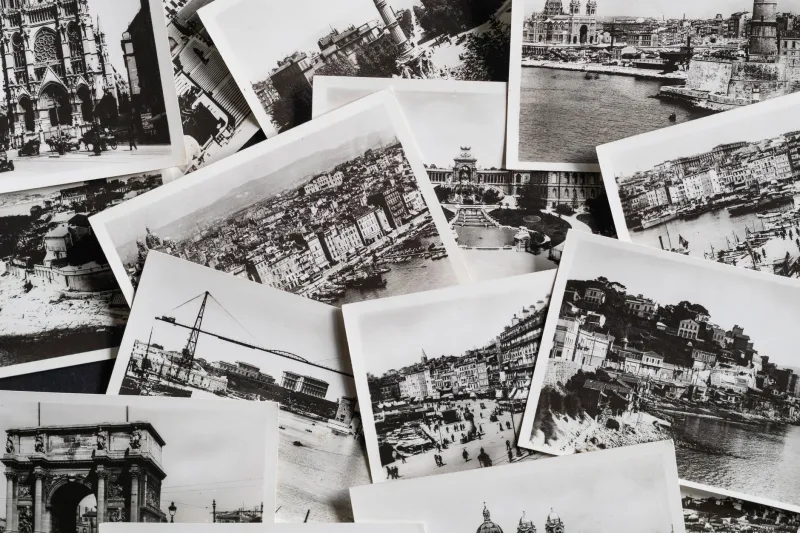
An old postcard of Chestergate can do something a history book cannot: it puts you on the pavement. You can see the awnings, the shop fascias, the tram lines and the knot of people outside a doorway. For anyone who likes local history with a bit of grit under its fingernails, Macclesfield street scenes are one of the most rewarding corners of the collecting world — and one of the most affordable.
In 2026, you do not need a deep pocket to start. A common Edwardian view of a Cheshire town might cost less than a round of drinks; a scarcer Macclesfield card showing a shop that has long since vanished can be £20, £40 or more, but plenty of good material still turns up in job lots. The trick is learning to read what is in front of you.
Start With the Street, Not the Stamp
A local view is only as good as the details you can identify. Look past the pretty composition and hunt for the anchors: a pub name, a church spire, a road sign, a shop fascia, a distinctive gable or a row of cottages. Market Place, Chestergate, Mill Street, Sunderland Street and the approaches to St Michael's all reward close looking. A magnifying glass and a phone with a map app are your basic field kit.
Ask yourself what has changed. Are there trams or overhead wires? Is the road still cobbled? Do the shop windows carry painted adverts for tea, tobacco or bicycles? Those small commercial details often date a scene more tightly than the publisher's imprint. They also explain why local collectors get so attached to images that would look ordinary to anyone else.
Dating by Format: Cabinet Cards, Cards and Backs
Street photographs did not arrive only as postcards. Cabinet cards — prints mounted on stiff card, usually with a photographer's name at the bottom — were common from the 1870s into the early 1900s. Smaller carte de visite photographs are earlier still. They are not postcards, but they can show shopfronts, parades and street furniture, so do not dismiss them in a mixed lot.
For postcards, the back is often the first clue. In Britain, divided-back cards — with a separate space for message and address — generally date from after 1902. Undivided backs point earlier. Real photographic cards, where an actual photographic print is mounted or printed as the card, were widespread in the 1900s to the 1930s and often have a sharper, more local feel than mass-printed views.
Stamps and postmarks help, but treat them as supporting evidence rather than gospel. A card can be printed years before it is posted, and a stamp can be added later. A clear Cheshire postmark is still a lovely bonus, especially if it ties the image to a particular year or street.
The Publisher's Tell
Publisher imprints are useful breadcrumbs. Names such as Valentines, Raphael Tuck, Frith and Photochrom appear on countless British topographical cards, while local stationers and photographers often produced the most specific Macclesfield views. Series numbers, catalogue codes and captions set in tiny type can help you compare examples and spot a later reprint.
Be wary of relying on one clue alone. A card marked with a German printer, for example, may suggest a pre-First World War date, but it is not a guarantee. Likewise, a white border or a particular typeface can hint at an era without proving it. Build a case from the image, the mount, the back, the imprint and the postmark together.
Condition: What Matters and What Doesn't
Condition matters, but street scenes are forgiving. A little corner wear, a mild crease or a faint postmark often matters less than the information in the image. Foxing, fading and silvering — the mirror-like sheen that can affect old photographic prints — are more serious. Trimming is a real drawback, as is heavy album damage or a card that has been stuck down and torn away from its backing.
Writing on the back is a mixed blessing. A message can add human interest and help date the card, but it can also put off collectors who want a clean reverse. Do not try to clean old cards with water or household products. Keep them dry, out of direct sunlight and in acid-free sleeves. A simple shoebox is better than a damp drawer.
Value: Local Beats Pretty
A generic view of a cathedral city may be handsome but common. A Macclesfield street with a named shop, a lost pub or a building that has since been demolished is a different beast. Local demand does the work. Cards showing identifiable shopfronts, public houses, works entrances and busy market scenes tend to outperform quiet, pretty views of nowhere in particular.
Price bands are broad. Common Cheshire town views can still be found for a few pounds. Better local scenes might be £10 to £30, while rare cards in strong condition can climb higher. Postally used examples with a relevant message or postmark can add appeal, but condition and subject usually lead. Buy the image you can study, not the fantasy of a quick profit.
Where to Hunt in Cheshire
Postcard fairs remain the best concentrated hunting ground, and the north-west has a steady circuit of them. Antiques centres, charity shops and car boot sales can turn up albums and shoeboxes that have not been picked over. Ask at local book fairs and ephemera stalls too; dealers often keep street views under the counter rather than on display.
Online, search for the street name rather than just the town. Try variants: Chestergate, Mill Street, Macclesfield Market Place, St Michael's Church. Look carefully at photographs of the back, because that is where the date and publisher usually hide. Job lots can be excellent value if you are willing to take twenty dull cards to get one good Macclesfield view. Set a budget, check for trimming and ask whether the seller will combine postage.
A Small Field Kit for the Pavement
Take a loupe or magnifier, a notebook and your phone. Keep a running list of streets and buildings you are chasing. Compare what you find with old maps, trade directories and local history material. The more you look, the more you notice: a ghost sign here, a missing rail there, a shopkeeper standing in a doorway with his sleeves rolled up.
That is the quiet pleasure of this collecting niche. A postcard is not just a picture of a street. It is a paper window onto a day that has otherwise gone. In 2026, with so much local history available for the price of a pub lunch, there are worse ways to spend a Saturday than following Macclesfield's old pavements one card at a time.