The Cheshire Collecting Calendar: A Month-by-Month Field Guide for 2026

Photo: Tim Sheerman-Chase, CC BY 2.0, via Wikimedia Commons
Collectors talk about taste and provenance, but the calendar does more to shape a collection than most of us admit. Houses empty in certain seasons, fairs open and close, dealers go on holiday, and whole categories of object flood the market for a fortnight and then vanish until next year. Buy in step with that rhythm and you will pay less, see better things and enjoy the chase a great deal more.
Here is how the year tends to run around Macclesfield and the wider Cheshire plain — worth keeping to hand through 2026.
January: linen, kitchenalia and the post-Christmas clear-out
The first weeks of the year belong to house clearances, and house clearances belong to cupboards. Expect boxed linen, tablecloths, tea towels, jelly moulds, pressure cookers, enamel bread bins and the whole honest arsenal of a working kitchen. Competition is thin because everyone else is skint and indoors.
Buy wisely: check textiles for damp and foxing, and hold enamel up to the light for chips to the rim. A stack of unused damask is one of the great quiet bargains of the collecting year.
February: glass, ceramics and the cheapest brown furniture of the season
Short days keep the trade at home. Auction rooms are half empty, online bidding is sleepy, and prices on anything bulky fall through the floor. This is the month to buy a decent oak dresser base or a set of dining chairs for less than the cost of delivery.
Buy wisely: measure the car before you bid, and remember that 'good condition' in a February listing often means 'not actually in pieces.'
March: garden antiques before the season starts
Stone troughs, terracotta pots, wrought-iron benches, cold frames, old tools. As soon as the light changes, garden stock appears — and it is far cheaper in March than it will be in May, when everybody suddenly wants a planter.
Buy wisely: frost damage hides in the base of a stone urn. Take a torch, and check for hairline cracks running up from the drainage hole.
April: textiles, quilts and the first outdoor fairs
The outdoor season creeps open. Patchwork, Welsh blankets, lace, christening gowns and embroidered linens come out of the wardrobe and onto trestle tables. Dealer prices are still reasonable because footfall hasn't built yet.
Buy wisely: ask about washing. A well-meant machine wash has ruined more antique quilts than woodworm ever managed.
May: bank holiday car boots and the great Cheshire circuit
Two bank holidays and the first genuinely busy buying weekends. This is where the accidental treasures live — the box of horn-handled cutlery, the tin of buttons, the framed watercolour bought for a pound. Get there early, carry change, and remember that Macclesfield's monthly market days remain a fine place to spot what local dealers are buying.
Buy wisely: don't haggle over a fiver at eight in the morning. You'll lose the thing to someone with a wallet already open.
June: clocks, barometers and anything that ticks
Long, warm days make mechanical things easier to test, so clocks and barometers come out of the workshop and onto the shelf. Mid-month, dealers start thinking about holidays and are more open to offers.
Buy wisely: a clock with no key or pendulum is a project, not a purchase. Listen for a clean, even tick before you part with anything.
July: silver and jewellery, before the summer exodus
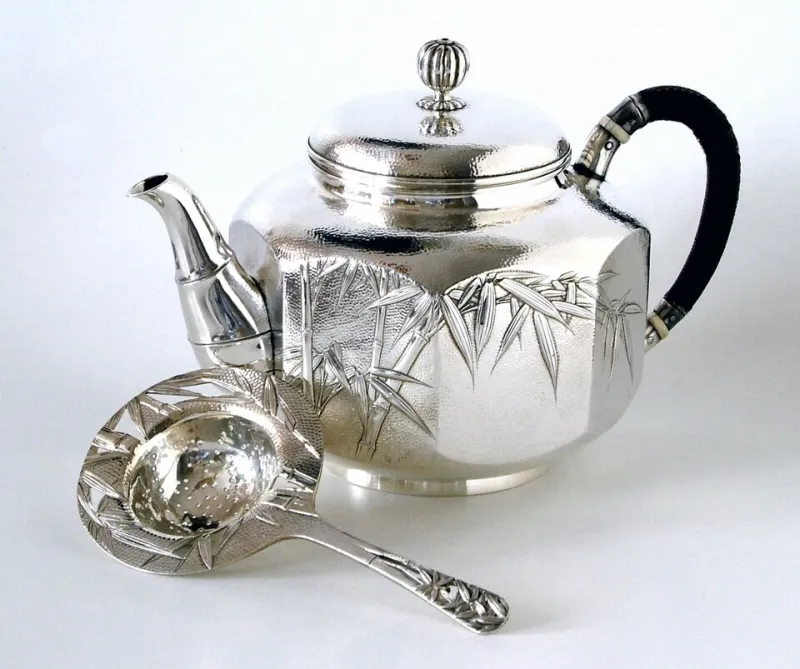
Silver flatware, dressing-table sets, costume jewellery and small gold appear in volume as estates are settled ahead of the holidays. Hallmarks are easier to read in summer light, which is not a trivial advantage.
Buy wisely: know your maker's marks before you go rather than after. A magnifier in the pocket beats a hasty online search at the counter.
August: peak clearance, thin competition
The salerooms are quiet because half the trade is on a beach in North Wales. Meanwhile the clearances keep coming, because probate doesn't take holidays. It is the single best month of the year for the patient buyer with a van and no plans.
Buy wisely: check collection dates meticulously. August is exactly when a saleroom will expect everything gone by Thursday lunchtime.
September: ceramics and the return of proper buying
Everyone comes back from holiday with fresh eyes and a fresh want-list. Dinner services, tea sets, studio pottery and blue-and-white turn up as households reorganise before winter. Prices firm up, so quality matters more than quantity here.
Buy wisely: buy singles and pairs, not twenty-piece services. Nobody has room for twenty-piece services.
October: the autumn silver and clock season
The serious auction run begins. Silver, clocks, watches and fine ceramics reach the rostrum in the biggest numbers of the year, and the catalogue quality improves accordingly. This is the month to buy one good thing rather than six cheap ones.
Buy wisely: request condition reports in writing, and set your ceiling before you register to bid online.
November: vintage Christmas, prints and ephemera
Glass baubles, tinsel in its original box, cardboard Santa displays, old Christmas cards, maps, railway posters and unframed prints. The decorative, portable and giftable end of the market takes over — and it rewards knowledge of what genuine age actually looks like.
Buy wisely: original decorations show their age at the cap and the paint. Reproductions are uniformly bright and suspiciously crisp.
December: the quiet month, best for books
Fairs wind down, dealers count stock, and the salerooms go quiet. Which makes it excellent for the unfashionable corners — books, particularly. Boxed lots of folios, county histories and illustrated volumes can be had for very little while everyone else is buying wrapping paper.
Buy wisely: check for plates and maps still present, and give anything with a whiff of damp a wide berth.
The thread through the year
The pattern isn't a secret, and that's the point. What separates a good collection from a random accumulation is knowing that linen belongs to January and silver to October — and having the patience to wait eleven months rather than overpay in the wrong week. Keep a list, keep a ceiling, and let the calendar do half the work for you.