Silver Linings: Reading Hallmarks, Judging Weight and Buying Antique Silver with Confidence
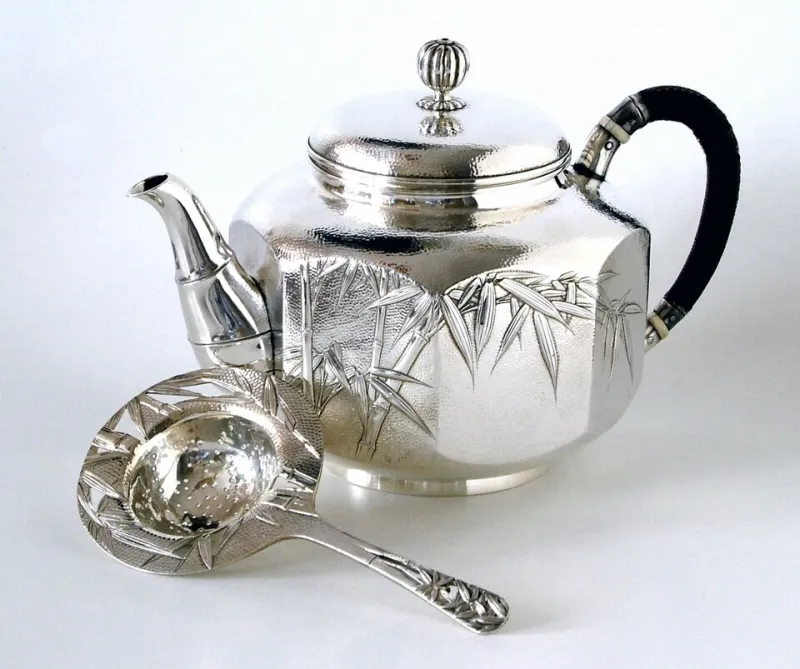
Photo: Qlaz, CC BY-SA 3.0, via Wikimedia Commons
Antique silver has a reputation problem. It is often seen as fussy, old-fashioned or the preserve of people with a dining table they never use. That is a shame. In 2026, silver remains one of the most underrated treasure-house finds: beautiful, useful and quietly valuable. It does not shatter like porcelain, it can be used, and it carries a paper trail in the form of hallmarks.
Why Silver Deserves a Second Look
Silver is honest. It wears its age visibly, but it also responds to care. A silver spoon that has been used daily for a century may look tired, but it is still a spoon. A porcelain plate with a chip is compromised. Silver can be polished, re-polished and passed on. The intrinsic value of the metal also gives it a floor that many collectibles lack. That does not mean every piece is a bargain, but it does mean silver rewards attention.
The Marks That Tell the Story
UK hallmarks are the first thing to learn. Most British silver carries a set of marks: a maker's mark, an assay office mark, a date letter and a standard mark. The standard mark tells you the purity — sterling silver is 925 parts per thousand, Britannia silver is 958. The assay office mark shows where it was tested: London, Birmingham, Sheffield, Edinburgh or Dublin. The date letter changes in cycles, so you need a reference book or a reliable online guide. The maker's mark is often the most human part: a set of initials that can lead you to a workshop, a family firm or a forgotten retailer. Do not expect every piece to be marked. Small items, imported pieces and some provincial silver can be unmarked or carry foreign marks. But if a seller claims sterling and there are no marks, ask why.
Weight, Wear and the Right Kind of Patina
Weight is not everything, but it matters. A heavy piece is not automatically better, but a suspiciously light piece may be plated or hollow. Wear should be consistent with age. A silver spoon bowl that is thin at the edge has been used, which is fine; a teapot with a paper-thin spout may be fragile. Patina is a loaded word. Some buyers want bright polish; others prefer the soft grey of old silver. Neither is wrong, but beware of pieces that have been aggressively polished to hide scratches or pitting. A gentle patina is part of the history. Deep black tarnish can be cleaned, but corrosion and pitting cannot.
Plate, Fakes and Other Traps
Silver plate is the most common pitfall. Electroplated items often carry marks such as EPNS, EP, silver plate or a maker's name without a standard mark. They can be perfectly useful, but they are not sterling and should not be priced as such. Some plated pieces are marked to look like hallmarks, so learn the difference between a stamped set of marks and a decorative shield. Beware of silver jewellery with no marks, especially at charity shops. It may be silver, but it may be white metal or plated. If you are buying at auction, read the catalogue description carefully: silver usually means sterling, while white metal is a warning.
Where to Buy Silver in Cheshire
Charity shops are a good place to start, but you need to look closely. A single silver spoon may be mixed in with cutlery, and a small dish may be hiding in the bric-a-brac. Macclesfield's charity shops and the monthly Treacle Market can turn up the occasional piece, though competition is strong. Local auction rooms across Cheshire are better for serious buying, especially mixed lots of cutlery and tea services. Antique fairs in Knutsford, Wilmslow and Congleton offer the chance to handle pieces and ask questions. Do not ignore provincial jewellers and pawnbrokers; they often buy and sell silver and may have interesting pieces at sensible prices.
A Practical Buying Checklist
Check the marks first. Look for a standard mark, a date letter and a maker's mark. Weigh the piece in your hand and look for signs of plate. Inspect for cracks, repairs and thinning. Ask whether the piece has been polished recently and how. If you are buying a teapot, check the hinge and the spout. If you are buying cutlery, check the bowls and handles for wear. Finally, decide what you want: a collection, a useful piece or an investment. Silver can be all three, but not always at the same time. Buy the piece you will actually use, and the quiet shine will do the rest.