Pencil Marks, Paper Trails and the Secret Life of an Old Chest
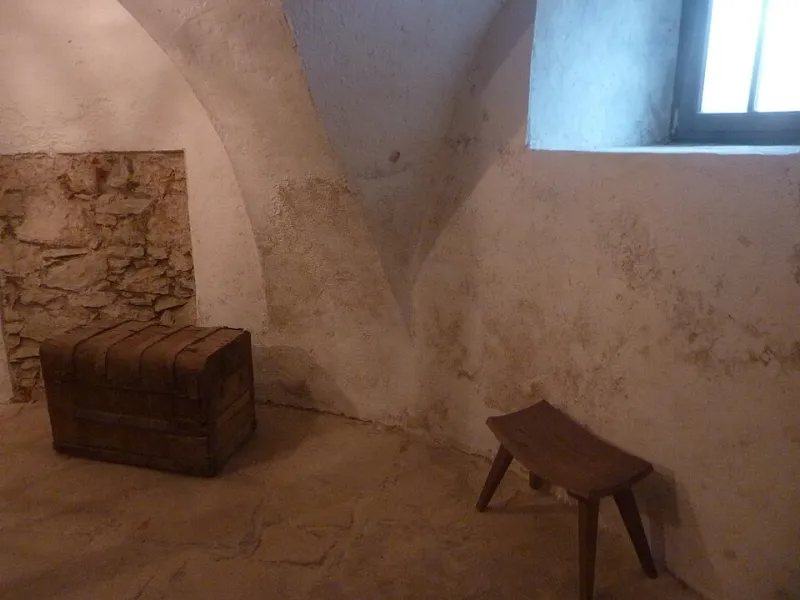
Photo: ZemplinTemplar, CC BY-SA 4.0, via Wikimedia Commons
There’s a certain kind of quiet in a second-hand furniture shop when you slide out a drawer and spot something the dealer didn’t. It might be a pencil line. A scrap of newspaper. A label curled at the corner. The outside gets the polish and the price tag; the inside often gets the story.
That is the small thrill of hunting furniture in Macclesfield. You are not just buying a chest of drawers or a bureau. You are buying a object with a paper trail, even if the trail is only a few faded words on the back of a drawer bottom. Look carefully and a routine buy can turn into a proper provenance puzzle.
Start with the drawers, not the polish
When you’re looking at a chest of drawers, a bureau or a wardrobe in a Macclesfield shop, resist the urge to judge it by the top. Pull each drawer out as far as it will go. Then take it right out, if the dealer is happy for you to do so. Look at the back, the bottom, the runner and the inside of the carcass. This is where the evidence tends to sit.
A chest on Chestergate may have bright new handles, but inside you can often see the original screw holes and the ghost of the old fittings. That tells you something has been changed, which is useful to know before you fall for the front. In a local auction room, a plain mahogany chest looked like a routine buy until the bottom drawer revealed a pencilled date and a paper lining from a furnishing shop. It did not add hundreds to the value, but it changed how everyone saw the piece. Suddenly it had a place and a period, not just a price.
Secret drawers and false bottoms
Bureaus and davenports are the usual suspects. A small hidden compartment behind a pigeonhole, a shallow drawer under a writing surface, a false bottom in a chest: these are the bits that get missed when furniture is cleared, stored and shuffled through auction lots. They are also the bits that get forced open by someone in a hurry.
Don’t be that person. Use a torch, go slowly and press panels gently. Look for uneven dust, a worn patch where a thumb has pushed, or a gap that does not match the others. If something does not want to move, leave it. A screwdriver is not a provenance tool. In one Macclesfield auction lot, a so-called secret drawer was only discovered after the sale because nobody had thought to look behind the central pigeonhole. The new owner found a bundle of old receipts and a photograph. None of it was valuable in the conventional sense, but it was the best part of the buy.
Labels, stamps and the paper trail
Maker’s labels, trade stamps and old receipts are the quiet VIPs of second-hand furniture. A wardrobe with a cabinetmaker’s label from Stockport tells you more than a hundred guesses about style. A receipt from a furnishing shop, even a faded one, can place a piece in a town, a street or a family. It is not proof of grandeur, but it is proof of life.
Keep labels in place. Photograph them before you move the piece, and photograph the drawer or door they came from. Do not soak them off to read them, and do not tape over them. Old paper is fragile, and a label that survives another twenty years is worth more than one that has been ‘tidied up’. If a receipt or letter falls out, keep it with the piece. It belongs to the object now.
Pencil marks and the people who left them
Pencilled dates and names are easy to miss and easy to destroy. Under a drawer in a shop near Market Place, a chest carried the faint line ‘E. Mottershead, 1911’. It could have been the maker, the owner, the repairer or a removal man. Nobody knew. But it gave the chest a human anchor.
Use a raking light to read pencil marks. Do not rub them, and do not reach for a damp cloth. If you need to record them, take a photograph and write the details in your own notes. Pencil on old wood is not robust. A little care now means the next owner can still enjoy the mystery.
What to do when you find something
If you find cash, jewellery or documents that clearly belong to a family, pause. Speak to the seller. Auction terms vary, and a quiet conversation is better than a clever decision. For ordinary paper finds, keep them with the piece in an acid-free envelope or a clean folder. Do not tape them to the furniture, and do not publish personal details just because they are interesting. If you find family photographs or letters that seem significant, consider offering them to a local history library or returning them to the family named. A good find carries a little responsibility with it.
The habit worth keeping
The drawer nobody opens is often the one with the best line. Next time you are browsing furniture in Macclesfield, give the piece another minute. Pull the drawers. Check the backs. Read the labels. You are not being nosy; you are doing what any good collector does. You are looking for the paper trail that turns a ordinary chest into a story worth taking home.